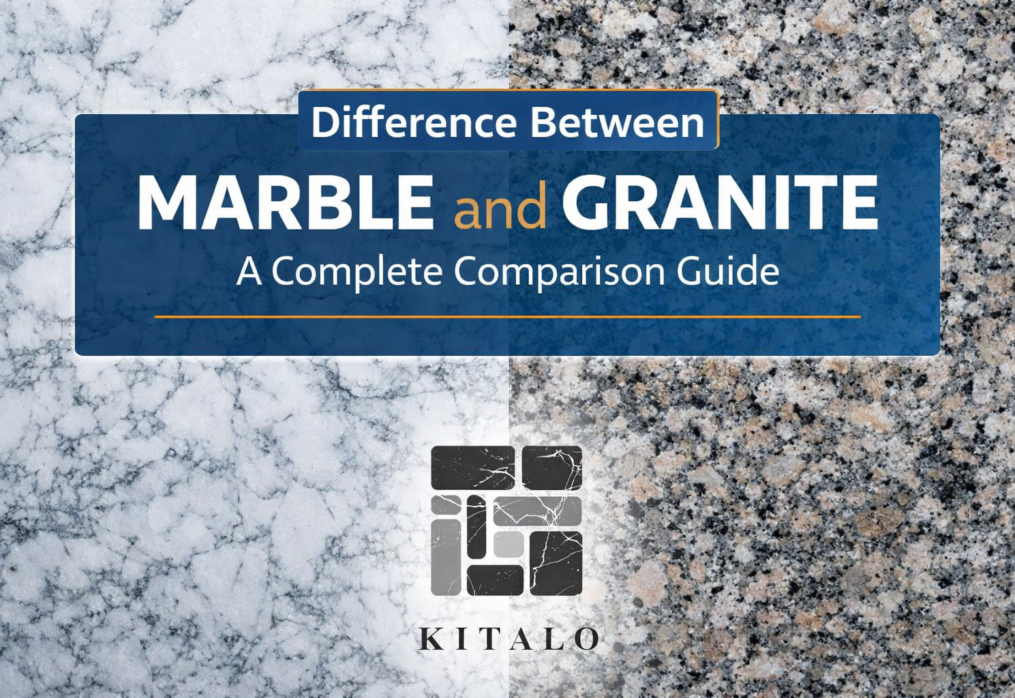

Difference Between Marble and Granite: A Complete Comparison Guide
Choosing the right natural stone for your home or project is an important decision. Among all options available today, marble and granite remain the most popular choices. They are widely used for flooring, countertops, walls, staircases, and decorative elements. Even though both stones look premium and long-lasting, they are not the same.
Many people often ask: What is the difference between marble and granite? or Which one is better for my space?
This guide answers those questions clearly and practically.
Let’s explore the marble and granite difference step by step, so you can make a confident and informed decision.
Understanding Natural Stones
Both marble and granite are natural stones formed deep within the earth, but the way they are created is very different. This difference in formation is the main reason why their strength, appearance, and usage vary.
Knowing the basics will help you understand why one stone performs better than the other in certain conditions.
What Is Marble?
Marble is a metamorphic stone that forms when limestone is exposed to high heat and pressure over a long period of time. This process creates the smooth texture and beautiful veins that marble is known for.
Marble has been used for centuries in palaces, temples, sculptures, and luxury homes. It is often associated with elegance, class, and timeless beauty.
Key Characteristics of Marble
- Smooth and polished surface
- Natural veins and flowing patterns
- Softer compared to granite
- Mostly available in lighter shades
Marble adds a refined and luxurious feel to any space, which is why it is often chosen for interior design.
What Is Granite?
Granite is an igneous stone, formed when molten magma cools and solidifies beneath the earth’s surface. This process makes granite extremely hard and durable.
Granite has a grainy or speckled appearance due to the presence of different minerals. It is widely used in residential and commercial projects where strength and durability are required.
Key Characteristics of Granite
- Very hard and dense stone
- Grainy texture with mineral specks
- Highly durable and scratch-resistant
- Available in a wide range of colors
Granite is known for its practicality and long life.
Difference Between Marble and Granite (Quick Comparison)
| Feature | Marble | Granite |
| Stone Type | Metamorphic | Igneous |
| Strength | Moderate | Very High |
| Appearance | Smooth with veins | Grainy and speckled |
| Porosity | More porous | Less porous |
| Maintenance | High | Low |
| Best For | Luxury interiors | Heavy-use areas |
This overview gives a basic idea, but let’s look deeper into each factor.
1. Appearance and Visual Appeal
One of the most noticeable differences between marble and granite is how they look.
Marble Appearance
Marble has a soft, elegant, and classic appearance. The veins flowing through the stone give it a natural artistic look. No two marble slabs are the same, which makes every installation unique.
Marble is commonly used in:
- Living rooms
- Bedrooms
- Bathrooms
- Decorative walls
Granite Appearance
Granite has a bold and natural look. It contains tiny mineral grains that create a textured pattern. Granite often looks more modern and strong compared to marble.
Granite is preferred in:
- Kitchens
- Staircases
- Outdoor areas
- Commercial spaces
Summary:
Marble focuses more on beauty and elegance, while granite offers a strong and solid visual feel.
2. Strength and Durability
Strength is a major factor when choosing a stone.
Marble Durability
Marble is softer and more porous, which means it can scratch or stain if not handled carefully. Heavy objects, acidic liquids, or rough usage may damage the surface over time.
Granite Durability
Granite is one of the hardest natural stones available. It can easily handle heavy foot traffic, heat, and pressure without damage.
Difference between marble and granite in durability:
Granite is much stronger and better suited for demanding areas.
3. Maintenance and Cleaning
Maintenance requirements vary greatly between the two stones.
Marble Maintenance
Marble requires regular care and sealing. It reacts with acidic substances like lemon juice, vinegar, or harsh cleaners, which can leave marks or stains.
To maintain marble:
- Use mild cleaning products
- Wipe spills immediately
- Seal the surface periodically
Granite Maintenance
Granite is low maintenance. Once sealed, it resists stains and moisture very well. It is easy to clean with normal household cleaners.
Marble and granite difference in maintenance:
Marble needs careful handling, while granite is easier to manage.
4. Usage and Applications
Choosing the right stone also depends on where it will be used.
Best Uses of Marble
Marble is best for areas where beauty matters more than heavy usage, such as:
- Bedroom flooring
- Living room floors
- Bathroom walls
- Decorative elements
Best Uses of Granite
Granite works well in areas exposed to daily wear and tear, including:
- Kitchen countertops
- Staircases
- Outdoor flooring
- Commercial buildings
5. Heat and Water Resistance
Marble
Marble can tolerate some heat but may get damaged with repeated exposure. It also absorbs water more easily, which can lead to stains if not sealed properly.
Granite
Granite is highly heat-resistant and less absorbent. This makes it ideal for kitchens and outdoor use.
6. Cost and Value for Money
Price is another important difference between marble and granite.
Marble Cost
Marble is generally more expensive, especially high-quality or rare varieties. The cost also increases due to higher maintenance requirements.
Granite Cost
Granite is usually more affordable and offers excellent durability for the price, making it a cost-effective long-term option.
Prices for both stones depend on quality, thickness, finish, and source.
7. Longevity and Aging
Both marble and granite can last for decades if maintained well.
- Marble may develop a worn look over time, which some people find charming.
- Granite keeps its original look longer because of its hardness.
8. Which Stone Should You Choose?
The choice depends on your needs, lifestyle, and design preferences.
Choose marble if:
- You want a luxurious and elegant look
- The area has low foot traffic
- You are comfortable with regular maintenance
Choose granite if:
- You need strength and durability
- The area is used daily
- You want low maintenance
Many homeowners consult trusted stone suppliers such as Kitalo Marble to select the right material based on design goals, usage, and budget.
Final Thoughts
Understanding the difference between marble and granite helps you make the right decision for your space. Marble stands out for its elegance and timeless beauty, while granite is known for its strength, durability, and practicality.
There is no “better” stone overall—only the stone that best fits your needs. By considering appearance, durability, maintenance, and usage, you can confidently choose between marble and granite.
Both stones, when chosen wisely, can add value, beauty, and long-term satisfaction to your home or project.