Kitalo Marble: Durable and Natural Travertine Marble
At Kitalo Marble, we supply quality travertine marble in India. This natural stone is recognized for its unique appearance and strength. It provides a classic and grounded feel to various spaces.
At Kitalo Marble, we supply quality travertine marble in India. This natural stone is recognized for its unique appearance and strength. It provides a classic and grounded feel to various spaces.
Travertine marble is a type of natural stone that comes from mineral deposits of hot springs. It belongs to the limestone family. What makes travertine unique are its natural holes and porous structure, which give it a very distinct feel.
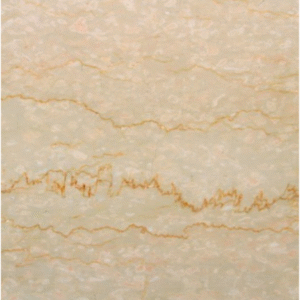
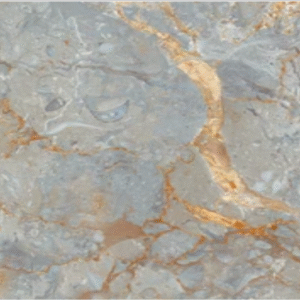
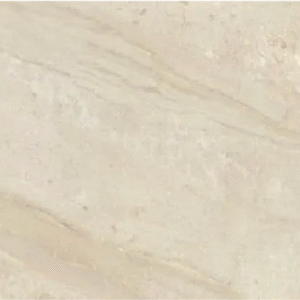
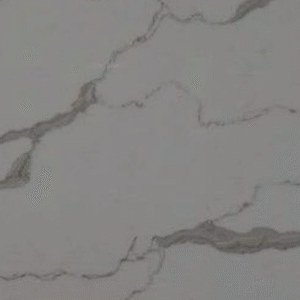
Travertine has an earthy and calm look, often found in colors like beige, cream, brown, and sometimes silver. These natural colors help create a relaxed and welcoming feeling in any room. The stone's gentle tones also make it easy to match with many different furniture styles and color schemes.
The travertine marble texture is one of its most defining features. It has natural small holes and voids on its surface, which formed as gases escaped during the stone's creation. These holes can be left open for a more raw and rustic feel, or they can be filled with a special material to create a smoother, more even finish for a different look.
Its natural look makes it suitable for many different design styles, from traditional and classic settings to more sleek and modern spaces. It adds a subtle touch of nature, helping to create a grounded and comfortable environment. This flexibility means travertine can easily fit into various architectural designs, enhancing the overall atmosphere of a place.
The travertine marble price can vary depending on several factors. At Kitalo Marble, we aim to provide clear and fair pricing for our quality stones. The cost of travertine marble in India depends on:
Some specific colors or patterns of travertine are found more often than others in nature. Because certain colors or very unique patterns are rarer, they are harder to find and in higher demand, which directly impacts their price. If a particular color or a very consistent pattern is uncommon, it will generally cost more.
The way the surface of the travertine is treated (called the finish) also affects the price. For example, a honed finish is smooth and matte, while a polished finish is very even and has a flat appearance. A brushed finish creates a slightly rougher texture. Each of these finishes requires different processing methods and takes different amounts of time, which adds to the overall cost. Also, if you choose to have the natural holes in the travertine filled, this is an extra step that requires material and labor, further adding to the price.
The physical size and thickness of the travertine pieces will naturally lead to a different price per unit area. Larger slabs and thicker pieces require more raw stone material to produce. They are also more difficult to cut, handle, and transport, which increases their overall cost compared to smaller or thinner pieces.
Where the travertine stone comes from – the specific country or quarry – can also play a role in its final cost. This is because factors like the cost of mining the stone, the labor expenses in that region, and the shipping costs to bring it to India can vary greatly from one origin to another. Some quarries are also known for producing particularly high-quality or unique travertine, which can affect its market value.
The durability and distinct travertine marble texture make it suitable for a wide range of uses in both homes and businesses:
Travertine is a very popular choice for floors, especially in areas where you want a natural look and a surface that will last a long time. It can handle regular foot traffic well, making it a good option for busy parts of a home or office. Its solid nature helps it maintain its appearance over many years of use.
Travertine is often used for both inside and outside walls. It helps to create a warm and welcoming feel in any space, adding a natural and earthy element. When applied to walls, it provides a distinctive texture and a classic appearance that can improve the overall look of a room or building exterior.
This stone is suitable for use as kitchen and bathroom countertops, as long as it is properly sealed and regularly maintained. With correct care, travertine countertops offer a unique and natural surface that can withstand daily use. It provides a sturdy and appealing option for these working areas.
Travertine is an excellent material for outdoor areas like patios, surrounds for swimming pools, and walkways. Its natural strength allows it to hold up well against outdoor conditions. Additionally, its surface provides a good grip, which can help prevent slips, making it a safe choice for outdoor walking surfaces.
Travertine is a great material for shower walls, vanity tops, and other areas in bathrooms that might get wet. When it is treated correctly with sealant, it resists moisture. This makes it a practical and beautiful choice for creating a cohesive and elegant look in your bathroom.
Keeping your travertine marble in excellent condition is easy when you follow these direct care instructions. Because it is a natural stone with specific qualities, proper maintenance helps ensure it stays durable and attractive for a long time:
Make sure to clean your travertine marble surfaces regularly. Always use a soft, clean cloth and a special cleaner that is made for natural stone and has a balanced pH. This type of cleaner is gentle and will not harm the surface of your travertine, helping it stay clean day after day. You must never use strong chemical cleaners or rough scrubbing pads, as these can cause permanent damage to the stone.
If any liquid spills on your travertine, you must wipe it up immediately. This is especially important for liquids that are acidic, such as fruit juices or vinegar. If these liquids are left on the stone, even for a short time, they can create dull spots or other permanent marks on the surface by reacting with the stone. Acting fast helps to stop any lasting damage and keeps your travertine looking its best.
Because travertine marble has a porous nature, meaning it has tiny openings that can absorb liquids, it is very important to have it professionally sealed on a regular schedule.
A good sealant creates a protective layer on the stone’s surface. This layer helps to keep stains and moisture from soaking into the stone. This crucial step helps to protect your travertine from harm, making it last longer and look good for many years, which can also prevent costly repairs.
Ready to add the natural beauty and distinct travertine marble texture to your space? Kitalo Marble is ready to help you choose the ideal travertine marble. Our experts can guide you through our collection and discuss travertine marble price options.